
Why Winter Changes Everything for Porta Potty Service
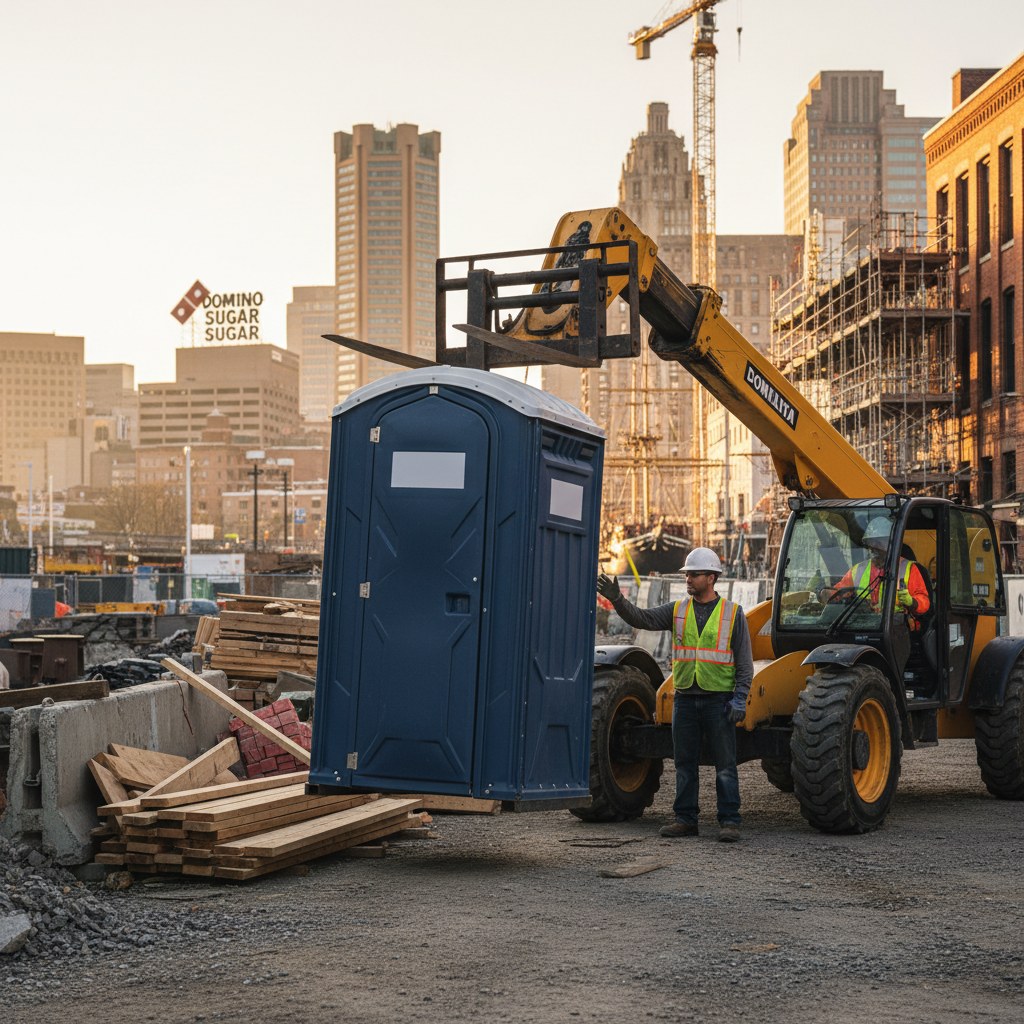
I'll be straight with you: servicing porta potties in Baltimore winter weather is a different animal than summer maintenance. When you're dealing with units on construction sites near the Port or outside rowhomes in Canton where there's barely room to park a Smart car, adding six inches of snow and black ice to the equation changes the entire game plan.
Most people don't think about porta potty service until something goes wrong. But understanding what happens when temperatures drop below freezing—and what your rental company needs to do differently—can save you headaches whether you're managing a construction project at Johns Hopkins Hospital or planning an early spring event near Fort McHenry.
The short version: yes, we service units year-round. Yes, even when it's 18 degrees and sleeting. But the logistics get complicated, the chemistry changes, and both you and your service provider need to adjust expectations. Here's what actually happens when Baltimore winter hits.
The Real Impact of Freezing Temperatures on Porta Potty Function
Water freezes at 32 degrees. That's not news. What surprises people is how quickly it affects different components of a porta potty system.
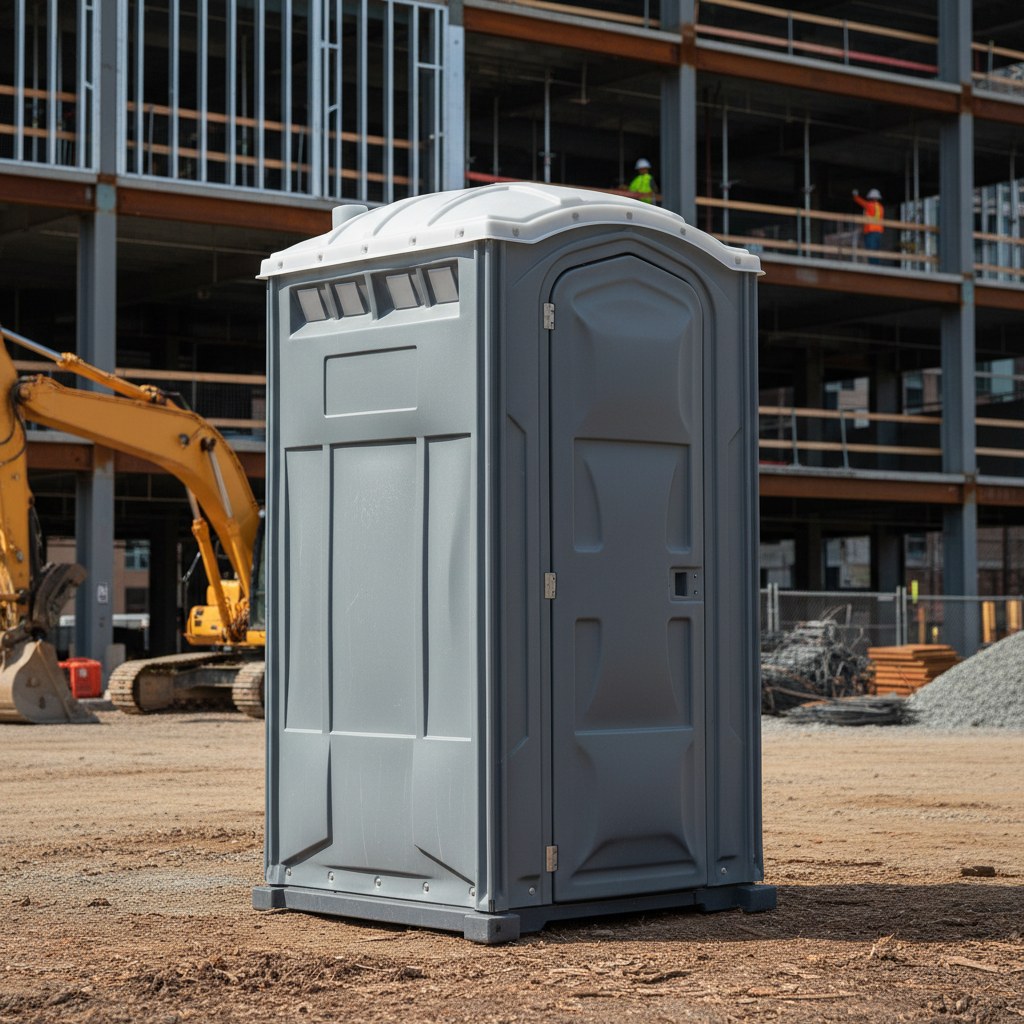
The holding tank itself rarely freezes solid—there's enough chemical treatment and, frankly, biological activity to keep things liquid even in cold weather. But the hand sanitizer dispensers? They'll freeze. The water in handwashing stations becomes ice blocks. Any residual moisture on seats and surfaces creates slippery conditions. And the vents that normally control odor can get blocked by ice formation, creating airflow problems.
We add antifreeze solutions to tanks and handwashing stations during winter months. It's not the same antifreeze that goes in your car—it's a non-toxic propylene glycol mixture that keeps everything flowing without creating health hazards. Standard summer treatments don't cut it when you're looking at a week of overnight lows in the twenties.
The bigger issue isn't the units themselves—it's access. A construction site off Boston Street that's muddy and rutted in November becomes an ice rink in January. That narrow alley behind a Fells Point rowhome where we barely squeezed the delivery truck in September? It's now packed with snow that hasn't been plowed because it's private property and nobody's responsible for it. Street festivals obviously pause in winter, but long-term rentals for construction and renovation projects continue, and those sites don't get easier to reach when weather turns nasty.
How Snow and Ice Affect Service Schedules
Here's the thing nobody wants to hear: when Baltimore gets hit with significant snow, service schedules get disrupted. Not because we're sitting at home drinking cocoa—because we physically cannot access units safely.
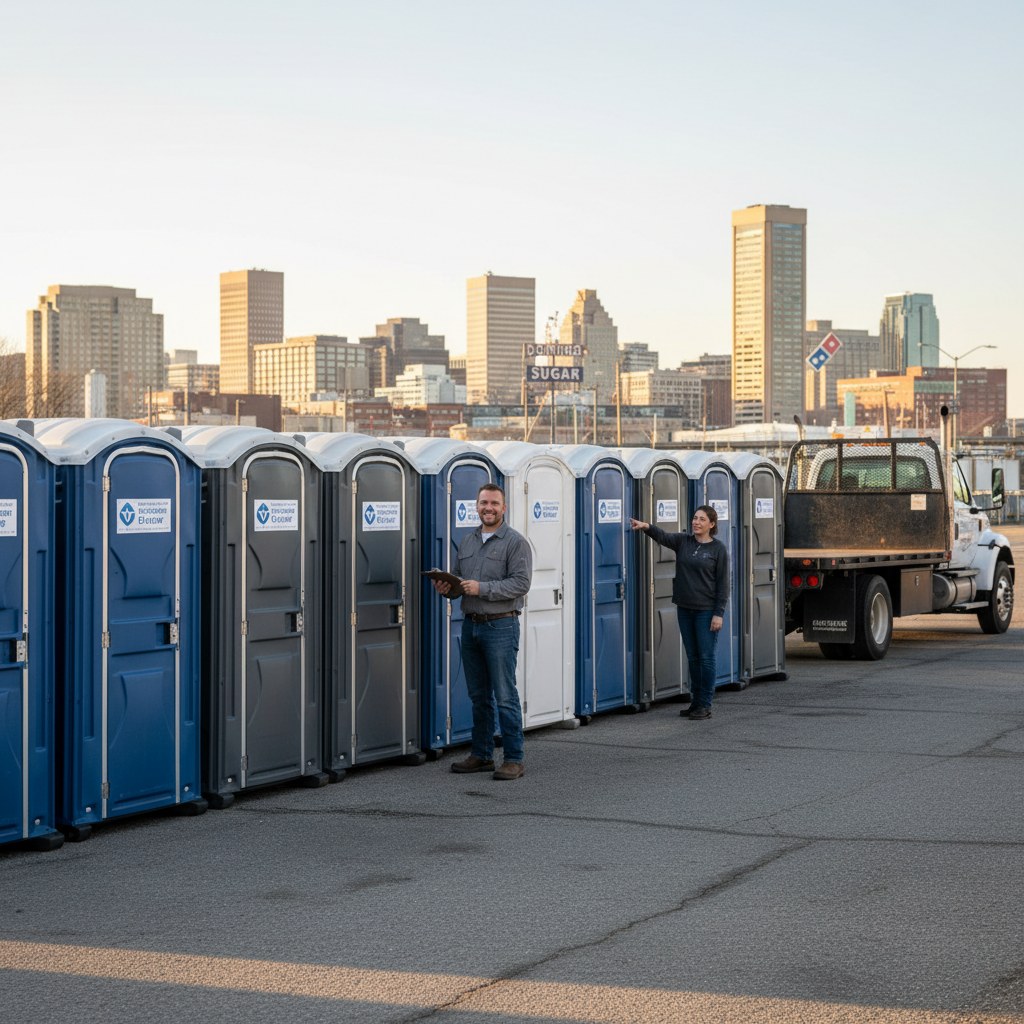
A standard service route might include a construction site near M&T Bank Stadium, a renovation project in Mount Vernon, and a long-term rental behind a Federal Hill rowhome. In July, that's a smooth morning run. In January after an ice storm, that same route becomes a multi-day ordeal involving chains, salt, coordination with property managers, and sometimes admitting we need to wait for better conditions.
We prioritize high-use sites—active construction crews, occupied buildings, anywhere people depend on the facilities daily. A unit servicing a temporarily closed outdoor venue might wait an extra day or two after a storm. A porta potty supporting twenty workers on an active job site gets reached as soon as we can safely get a truck there.
The weekly servicing schedule that's standard for construction and long-term rentals stays on track most weeks. But during actual winter weather events, expect delays. Not cancellations—delays. Once conditions allow, we catch up quickly. What you should do on your end: keep paths to units as clear as possible. Salt around the entrance. If you've got equipment on site, clear a truck path if you can. Small efforts make huge differences in whether we can reach you on schedule or need to push service back a day.
Winter Service Logistics: What Actually Happens
The service process itself changes in winter. Pump-outs take longer when it's cold because everything flows slower. Our service technicians wear more layers, move more carefully, and need extra time for each stop. What's a fifteen-minute service call in May becomes twenty-five minutes in January.
We also adjust chemical treatments for cold weather. The bacterial action that helps break down waste in the tank slows way down in freezing temperatures. We compensate with different formulations and sometimes heavier concentrations. You might notice a stronger chemical smell in winter units—that's intentional, and it's necessary to maintain sanitary conditions when biology isn't doing as much work.
Handwashing stations require special attention. If you've rented standalone handwashing stations or units with built-in washing facilities, we add antifreeze to the water supply and check fill levels more carefully. Water consumption changes in winter—people wash their hands faster when it's cold, but they also tend to use less water per wash. It's a weird balance.
For luxury restroom trailers and VIP units with more complex plumbing, winter servicing gets even more involved. These units have actual sinks, flush toilets, and sometimes climate control. Maintaining them in freezing weather requires more than just pump and dump—we're checking heating elements, protecting exposed pipes, and making sure nothing freezes that could cause damage. If you're considering a restroom trailer for an early spring event, factor in that these units need different winterization than standard porta potties.
Clean Comfort, Right on Time
Street Placement and Winter Access in Baltimore
Baltimore's rowhome density creates unique challenges year-round, but winter makes them worse. You know those narrow sidewalks in Canton where recycling bins barely fit? Now picture getting a service truck down that sidewalk when there's a foot of snow piled on both sides and parking has expanded into unmarked territory because nobody can see the curbs.
Many porta potty rentals in residential areas require street-side placement simply because there's no backyard access—just a tiny patio or nothing at all. In summer, that's fine. In winter, you're competing with snow piles, emergency vehicle access requirements, and increasingly creative parking interpretations from neighbors who can't find spots.
If you're managing a renovation project or construction site in a dense neighborhood, winter placement requires extra planning. You need permits for street placement anyway (Baltimore requires them for units on public right-of-way lasting more than a few days), but in winter you also need to think about snow removal. The city plows streets. They don't plow around porta potties. If your unit is street-side and we get a big snow, somebody needs to dig it out before we can service it.
Fort McHenry, the Convention Center, and areas around Oriole Park have better access—wider streets, more space, clearer responsibility for snow removal. But they're also higher-visibility areas where abandoned-looking porta potties covered in snow create complaints. Keep units accessible and maintained even when it's cold. It matters more than you'd think.
Why us
Why FlushPoint
- Local to Baltimore, MD
- 5 services offered
What's Included Changes (And What You Should Request)
Standard porta potty rentals include delivery, regular servicing, supplies (toilet paper, hand sanitizer), and pickup. That doesn't change in winter. But what you might want to request changes significantly.
First, consider requesting more frequent servicing for high-use sites. When it's hot, odor and fill levels drive service frequency. In winter, ice and access drive it. If we can reach your site this week but might not be able to next week due to weather, we'll service even if the tank isn't full. That might mean adjusting your weekly schedule to include backup visits when weather windows appear.
Second, think about adding antifreeze services explicitly. Some companies include this automatically once temperatures drop; others treat it as an add-on. Ask what your rental includes and whether cold-weather treatments cost extra. For long-term rentals spanning multiple months, winter adjustments should be included in your rate. For short-term rentals during cold snaps, clarify what's covered.
Third, handwashing stations become more complicated. If you're renting these for a construction site, expect that frozen water supplies will be an ongoing issue unless properly winterized. Make sure your provider knows the units will be used in freezing conditions and ask specifically what they do to prevent freezing.
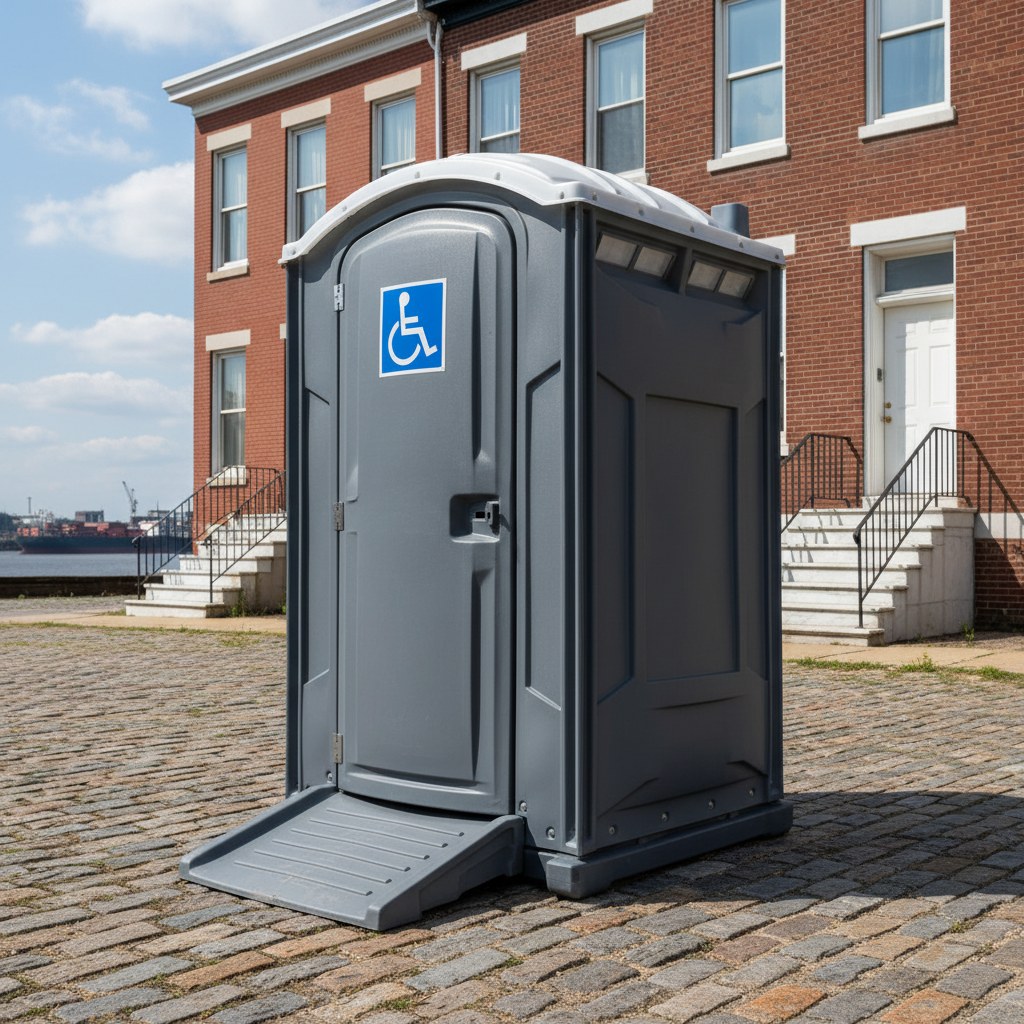
ADA-accessible units face the same winter challenges as standard porta potties, but with added concerns. The ramps can become ice hazards. The wider doors catch wind and snow. The grab bars get cold enough to cause discomfort. For public events requiring ADA compliance, you need to think about winter maintenance of accessible units differently. They need to be cleared more thoroughly, salted more carefully, and monitored more closely than standard units.
Construction Sites vs. Event Rentals in Winter
Most outdoor events pause between November and March in Baltimore—nobody's throwing a street festival in Federal Hill when it's snowing. But construction continues, renovations don't stop, and industrial work near the Port operates year-round. That means winter porta potty demand is heavily weighted toward long-term construction and job site rentals rather than short-term event rentals.
Construction sites actually need more intensive winter service than summer sites. Crew sizes might be smaller, but the units take more abuse from cold weather, mud, ice, and reduced maintenance by site managers. A construction foreman in July might hose down the entrance area or sweep out the unit between services. In January? Nobody's doing that. It all falls on the service company.
If you're managing a construction project, weekly servicing remains standard. But communicate with your rental provider about site conditions. If the site becomes inaccessible due to ice or snow, let them know before the scheduled service day. If you can clear a path, do it. If you can't, explain what the barriers are. We'll figure something out—we always do—but information helps us plan.
For the handful of winter events that do happen (holiday markets, New Year's gatherings, early spring fundraisers), short-term rentals work essentially the same as summer, just with different preparation. We'll deliver day-of or the day before, winterize the units appropriately, and pick up promptly. The main difference is that delivery timing becomes less predictable around winter storms. A same-day delivery that's routine in June might not be feasible in January if roads are icy. Plan for delivery windows rather than exact times during winter weather.
Communication Makes Everything Easier
The single most important thing you can do during winter months: stay in touch with your porta potty provider. If a storm is coming and you know your site will be inaccessible, call ahead. If the unit freezes or has problems, report it immediately rather than waiting for the next scheduled service.
We monitor weather forecasts constantly during winter, but we don't know the specific conditions at every site. You're our eyes on the ground. A quick call saying "we got eight inches last night and the alley is blocked" saves everyone time and frustration. We can adjust routes, prioritize accessible sites, and plan return visits when conditions improve.
This works both ways. If we know we can't reach your site on the scheduled day due to weather, we'll contact you and propose alternatives. Maybe we can come a day early before the storm. Maybe we need to wait two days for plowing. Either way, communication beats surprises.
For long-term rentals, consider establishing a direct contact person who checks units regularly and reports issues. Construction foremen usually fill this role naturally. For home renovations or smaller projects, designate someone to do a quick visual check between services—not to perform maintenance, just to spot problems early.
Free quotes remain available year-round, and getting a quote in December for a March construction project actually makes sense—it gives time to discuss winter-to-spring transition planning. Pricing shouldn't include hidden fees for weather-related complications; transparent flat-rate pricing should account for seasonal variations. If a company tries to charge you extra because they had to put chains on the truck to reach your site in snow, that's a red flag.
Clean Comfort, Right on Time
Types of Units and Winter Suitability
Not all porta potties perform equally in winter weather. Standard units are workhorses—basic, reliable, designed for abuse, and reasonably winter-hardy. Deluxe units with extra space and amenities handle cold fine but require slightly more maintenance for the additional features. ADA-accessible units need extra attention for ramps and wider doorways that catch snow and ice.
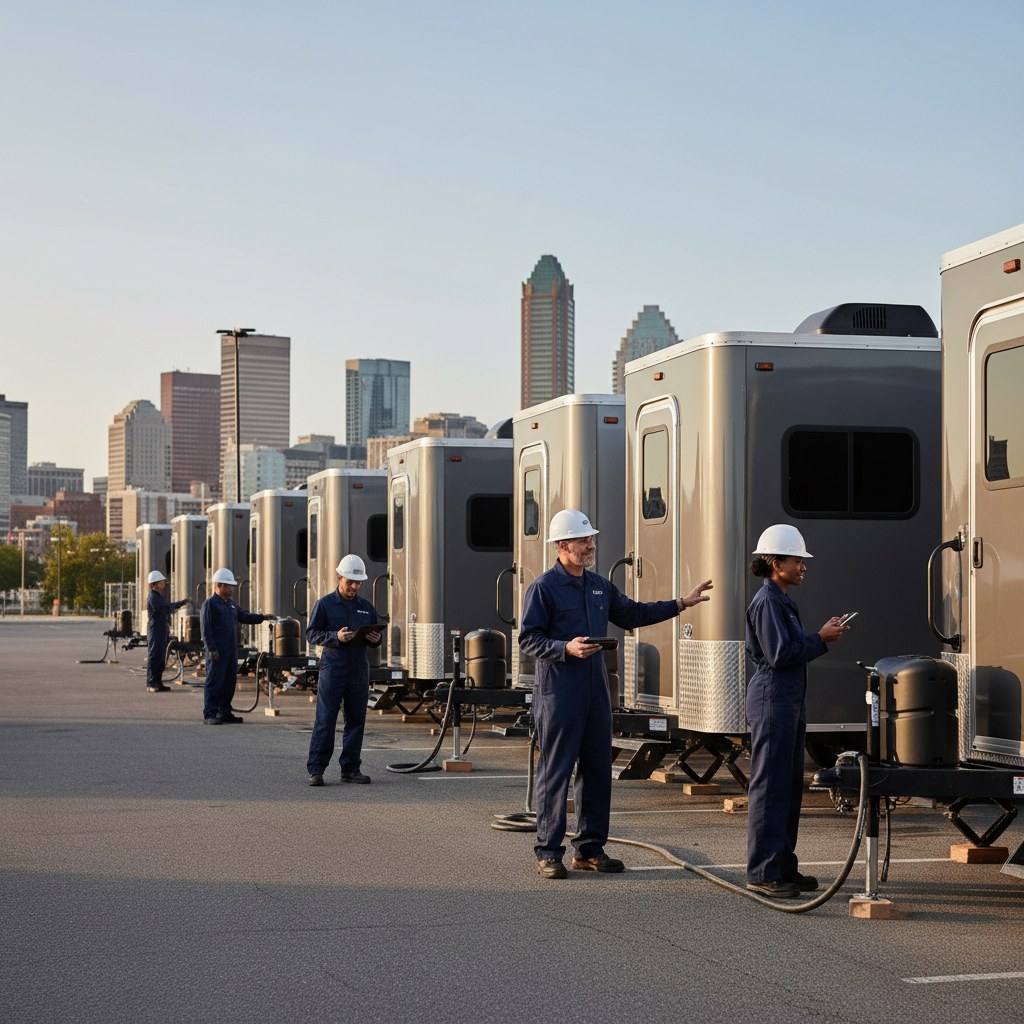
Luxury VIP units and restroom trailers are trickier in freezing weather. These feature flush toilets, running water, climate control, and other amenities that complicate winterization. They're not impossible to use in winter—we service them regularly for indoor/outdoor hybrid events, convention center overflow, and upscale construction sites—but they require active heating or thorough winterization. If you're considering a restroom trailer for a late November wedding reception with outdoor elements, discuss cold-weather operation specifically. Some units need to stay heated continuously. Others can be winterized for overnight freezing as long as daytime temps climb above freezing. It's not one-size-fits-all.
Handwashing stations as standalone rentals or add-ons to standard units make sense year-round, but expect winter functionality to be reduced unless they're actively winterized with antifreeze. A washing station that works perfectly in June might deliver frozen water in January without proper treatment. Ask about this before renting, not after your crew complains they can't wash up at lunch.
For multi-unit installations—festivals, large construction sites, anything requiring several porta potties—winter servicing becomes a logistics puzzle. Service trucks need to access multiple units, often in a specific sequence. Snow and ice can make that sequence impossible, requiring multiple trips over multiple days instead of one efficient route. The rental cost doesn't change, but the operational complexity does. Patience and flexibility help everyone.
What You Can Do to Make Winter Servicing Smoother
You can't control Baltimore weather, but you can control site conditions. Here's what actually helps:
Keep paths clear. Salt and shovel the route from the street to the unit. You don't need to clear an entire parking lot, just enough space for a service truck to park safely and for technicians to move equipment to the unit.
Weight down lightweight items near units. Wind combines with ice to create projectile hazards. Unsecured construction materials, event signage, or random debris near porta potties can damage units or block access during storms.
Report problems immediately. A frozen handwashing station is easier to fix today than next week. A door that won't close properly because ice has built up around hinges gets worse, not better, if ignored.
Plan for winter when you rent. If you're starting a construction project in October that runs through March, discuss winter servicing expectations during the initial rental conversation. Don't assume summer service standards apply unchanged during winter months.
Understand that weather creates delays, not excuses. We'll always service your units—that's non-negotiable. But severe weather might mean Tuesday's service happens Wednesday, or Friday's happens Saturday morning. The commitment doesn't change; the timing flexes.
For construction sites, consider enclosed porta potties or temporary wind breaks if the location is particularly exposed. A unit sitting on an open field near the Port takes worse weather abuse than one tucked beside a building. Sometimes simple site planning reduces winter maintenance problems significantly.
Spring Transition and Planning Ahead
Late February and early March bring Baltimore's least predictable weather—60 degrees one day, sleeting the next. This transition period creates weird servicing conditions where units need winter prep one week and summer treatment the next.
If you're planning spring events or construction projects starting in March or April, now's actually a good time to plan. Spring renovation season hits hard in Baltimore—everyone wants work done before summer heat arrives. That creates demand spikes for porta potty rentals right as weather becomes unpredictable.
For events scheduled around Opening Day at Camden Yards, early street festivals in Federal Hill, or spring fundraisers at the Convention Center, booking early makes sense. By late April, we're into peak outdoor event season, and availability tightens. Winter is slow enough that planning ahead guarantees you get the units you need, delivered when you need them, without same-day scrambling.
Construction projects launching in March should plan for variable weather during initial porta potty placement. A site that's frozen solid when we deliver might be mud soup two weeks later when we service. Both conditions affect access differently. Flexible placement—positioning units where they'll be accessible in multiple conditions—saves headaches.
The good news about winter servicing: if we can keep your units functional in January, April will be easy. Baltimore summers are hot, but at least everything's accessible and flowing. Winter teaches you which companies can handle adversity and which fall apart when conditions get difficult. Clean comfort, right on time—it matters more when it's 20 degrees and sleeting than when it's sunny and 75.
Frequently Asked Questions
Do you service porta potties during snow storms?
We service during snow as soon as it's safely possible to reach your site. Active snowfall might delay service for safety reasons, but we'll get to you as soon as road conditions allow. High-priority sites like active construction with daily crews get reached first. For the best results, keep access paths to units cleared of snow and ice when possible.
Will my porta potty freeze in winter?
The holding tank itself rarely freezes solid due to chemical treatment, but components like handwashing stations and hand sanitizer can freeze. We add antifreeze solutions to prevent this during winter months. If you notice frozen components between services, contact us immediately so we can address it.
Does winter service cost more than summer service?
Transparent pricing should account for seasonal variations without surprising you with hidden fees. Winter servicing requires different chemicals and takes longer, but this should be built into standard rates for long-term winter rentals, not charged as unexpected extras. Always clarify what winter treatments are included when you get your quote.
How often should construction porta potties be serviced in winter?
Weekly servicing remains standard for construction sites in winter, same as summer. However, we might adjust timing based on weather windows—servicing a day early if a storm is coming, or a day late if roads are temporarily impassable. The frequency doesn't change, but the exact schedule might flex around weather events.
Can you deliver porta potties same-day during winter?
Same-day delivery depends on weather conditions and current demand. In clear weather during the slower winter season, same-day delivery is often possible. During or immediately after winter storms, delivery times become less predictable. For winter rentals, planning at least a day or two ahead gives you more certainty.
What types of porta potties work best in Baltimore winter weather?
Standard units are proven workhorses in winter conditions. Deluxe and ADA-accessible units work fine with appropriate winterization. Luxury restroom trailers and VIP units with plumbing require more intensive winter prep but are definitely usable. Discuss your specific needs and timeline when requesting a quote so we can recommend appropriate units.
What happens if you can't reach my site to service due to snow?
We'll contact you to explain the access issue and coordinate next steps. Often this means returning the next day or as soon as conditions improve. If your site has high daily usage and we can't reach it on schedule, we work with you to find solutions—sometimes that means having your crew help clear access, or temporarily relocating units to more accessible positions.
Do handwashing stations work in freezing weather?
Handwashing stations need antifreeze treatment to function properly below freezing. With proper winterization, they work fine even in very cold weather. Without it, water supplies freeze solid. Always specify that units will be used in freezing temperatures when renting handwashing stations so they're properly winterized from the start.
How do I get a quote for winter porta potty rental?
Contact us anytime for a free quote—phone is fastest and lets us discuss your specific situation including winter access and site conditions. We'll ask about your rental duration, number of units needed, site location in the Baltimore area, and expected usage. Winter quotes should include all seasonally appropriate treatments with transparent pricing and no hidden fees.