
Quick Answer: When You Need a Permit in Baltimore
In most cases, you do not need a permit for a porta potty in Baltimore City if it's placed on private property. However, you will need a permit if the unit is placed on a public street, sidewalk, or right-of-way, which is common in Baltimore's dense rowhome neighborhoods where backyard access is limited.
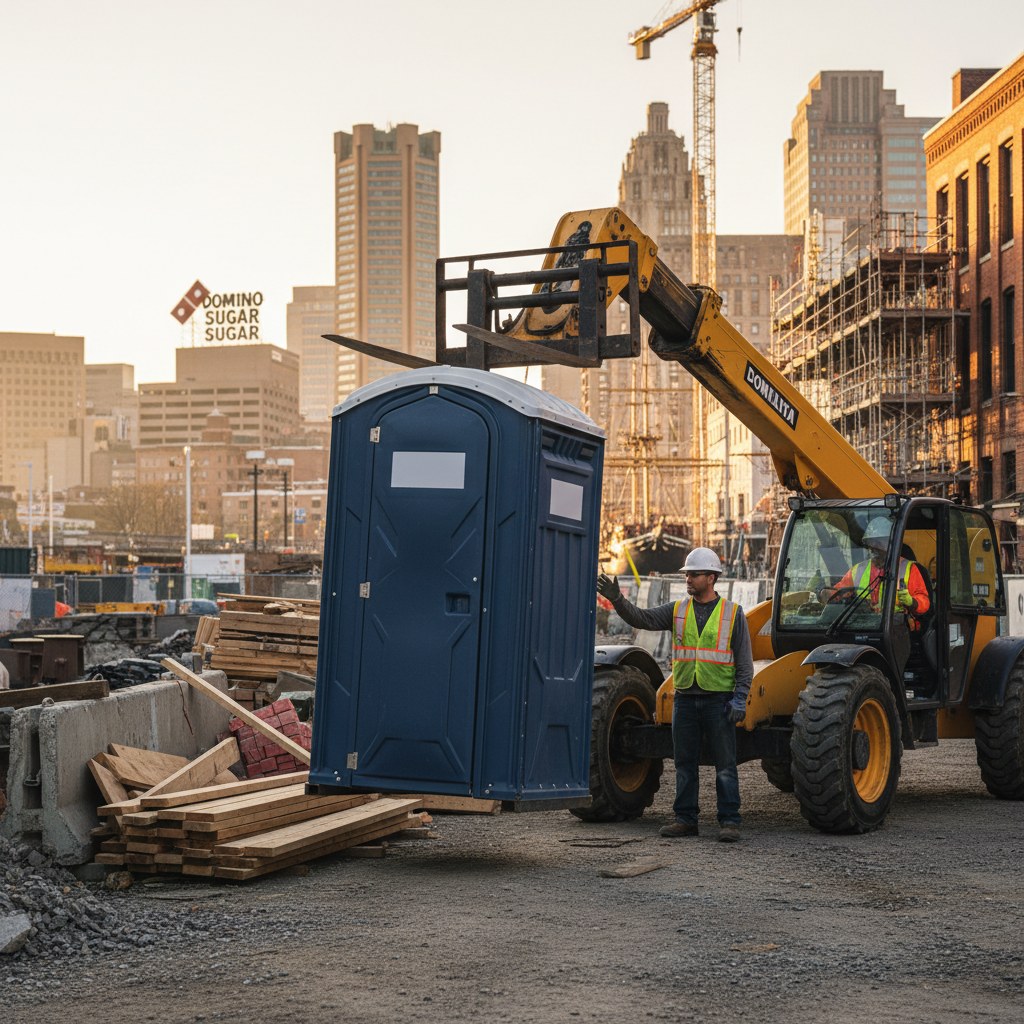
For construction sites, your building permit typically covers porta potty placement on the job site itself. But if you need street-side placement because of space constraints, you'll need to apply for a separate right-of-way permit through Baltimore City's Department of Transportation (DOT).
Special events like street festivals, block parties, and outdoor gatherings on public property require coordination with the city's Special Events Office, which handles permitting for temporary facilities including portable restrooms. The permit requirements vary based on event size, location, and duration.
The bottom line: private property placement usually doesn't require a permit, but anything touching public space does. We help customers navigate these requirements every day, so you're not figuring it out alone.
Private Property Placement: The Simple Scenario
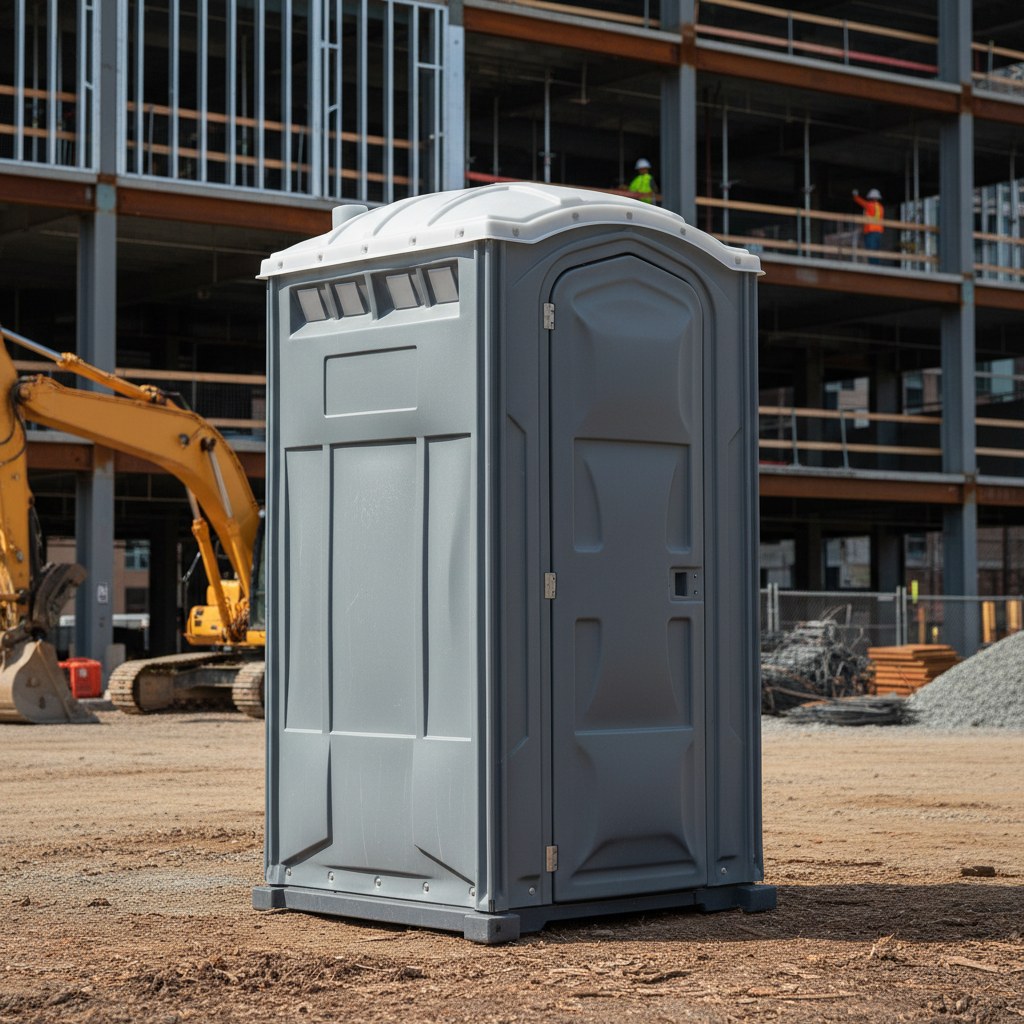
If you're placing porta potties on your own property—whether for a backyard wedding, home renovation project, or private event—you generally won't need a city permit. This is the straightforward scenario most customers encounter.
The unit stays within your property lines, doesn't block public access, and serves your private use. Baltimore City doesn't require permits for temporary sanitation facilities on private land as long as they meet basic setback requirements and don't create public nuisances.
That said, you should still consider a few practical factors. Make sure delivery trucks can access the placement location without damaging landscaping or utilities. In neighborhoods like Federal Hill and Canton with narrow streets and tight parking, coordinate delivery timing to avoid rush hour congestion.
If you're renting for a home construction project, confirm with your contractor that the placement won't interfere with other trades or equipment. For events at private venues near the Inner Harbor or Mount Vernon, check with your venue about their specific placement requirements—some have designated areas for service equipment.
We deliver to private properties throughout Baltimore City with same-day or next-day service when units are available. Our drivers know the neighborhoods and can advise on optimal placement spots that keep your property accessible while meeting sanitation needs.
Street and Sidewalk Placement: When You Need a Right-of-Way Permit
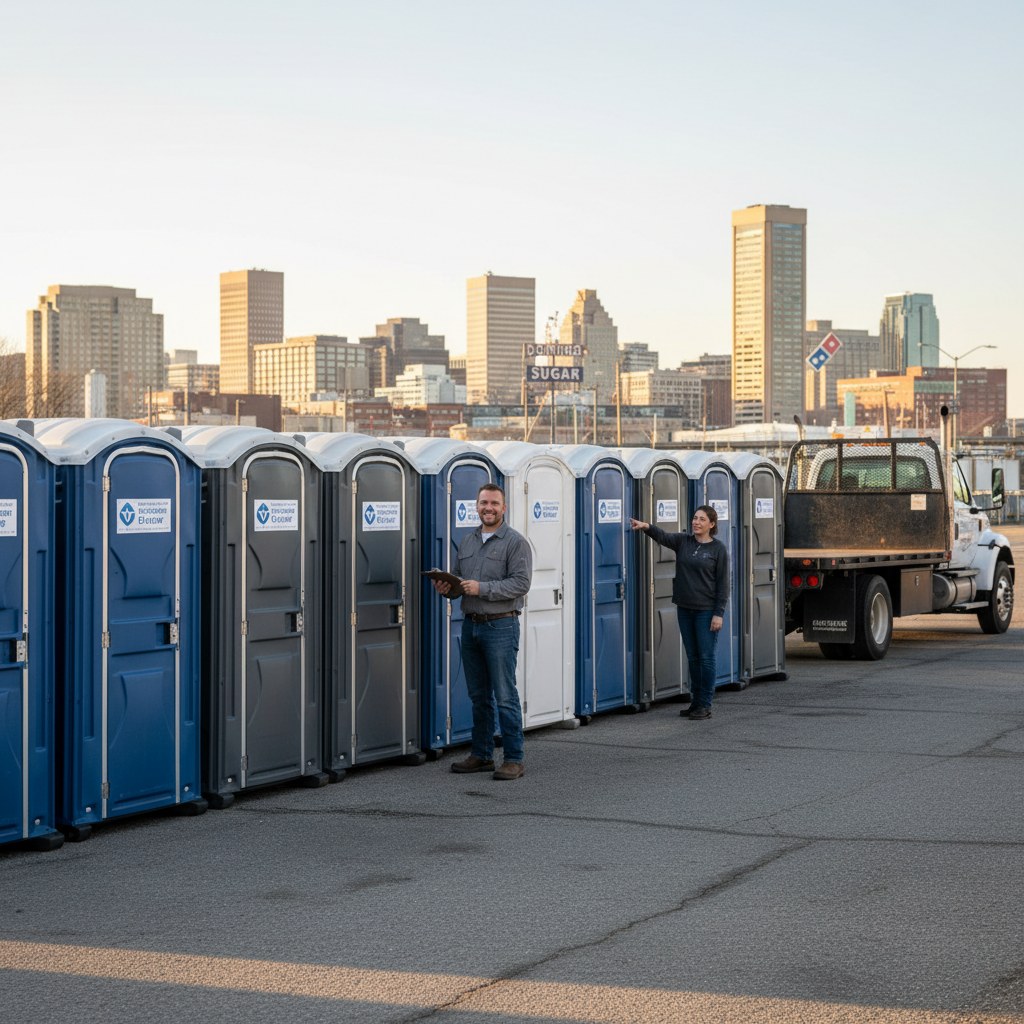
Baltimore's rowhome architecture creates a unique challenge. Many properties, especially in Fells Point, Canton, and neighborhoods near Johns Hopkins Hospital, have no backyard access or extremely limited space. When construction work or events require porta potties but there's nowhere to put them except the street or sidewalk, you need a right-of-way permit.
The Baltimore City Department of Transportation issues these permits because you're temporarily occupying public space. The application process requires submitting your request with specific location details, duration of placement, and proof of liability insurance. Processing typically takes 5-10 business days, though emergency construction situations may qualify for expedited review.
Permit fees vary based on the size of the space you're occupying and how long you need it. You'll also need to ensure the placement doesn't block fire hydrants, bus stops, accessible parking spaces, or create pedestrian hazards. In high-traffic areas near M&T Bank Stadium or Oriole Park at Camden Yards, additional restrictions may apply during game days.
Many contractors working on Port construction projects or street infrastructure regularly navigate these permits. We've worked with countless customers through this process and can provide the documentation you need from our side, including unit dimensions and placement drawings. The city wants to see that you've thought through public safety and access—it's not about making things difficult, it's about keeping everyone safe.
Construction Site Requirements and OSHA Compliance
Construction sites have specific porta potty requirements under both OSHA regulations and Baltimore City building codes. While your building permit typically covers on-site sanitation facilities, you're still responsible for meeting federal occupancy ratios and maintaining them properly.
OSHA requires one toilet for every 20 workers on a construction site. For projects lasting more than a few days, those facilities need weekly servicing at minimum—more frequently during Baltimore's humid summer months from June through September when temperatures and usage both spike.
If your job site is on private property with adequate space, the building permit process usually addresses sanitation requirements. But many Baltimore construction projects involve rowhome renovations, streetscape improvements, or work in the dense downtown corridor where street placement becomes necessary. In those cases, your right-of-way permit application should include the porta potty as part of your site logistics plan.
We provide weekly servicing for long-term construction rentals, ensuring you stay compliant without having to manage the schedule yourself. Our trucks service sites throughout Baltimore City on established routes, and we can adjust frequency during high-use periods. Standard units work fine for most construction sites, but we also offer handwashing stations as standalone units or combination setups, which many sites prefer for worker convenience and hygiene.
For projects near sensitive areas like Johns Hopkins Hospital or the Inner Harbor tourist district, expect closer city scrutiny on placement and maintenance standards. Keep units visible and accessible for our service trucks while maintaining site security.
Clean Comfort, Right on Time
Special Events: Festivals, Concerts, and Street Parties
Baltimore loves a good street festival. From Fell's Point Fun Festival to neighborhood block parties across Federal Hill and Canton, outdoor events define our spring and summer social calendar. Every one of these events needs proper sanitation planning, and most require coordination with the city.
The Baltimore City Special Events Office handles permits for gatherings on public property or involving street closures. Their application process includes a sanitation plan showing how many portable restrooms you'll provide, where they'll be placed, and how often they'll be serviced during the event.
ADA compliance is non-negotiable for public events. Federal law requires accessible facilities, and Baltimore enforces these standards seriously. At least one ADA-compliant unit must be available for every cluster of porta potties, with accessible routes from parking and main event areas. Our ADA units meet all federal specifications with wide doorways, interior grab bars, and spacious layouts accommodating wheelchairs and mobility devices.
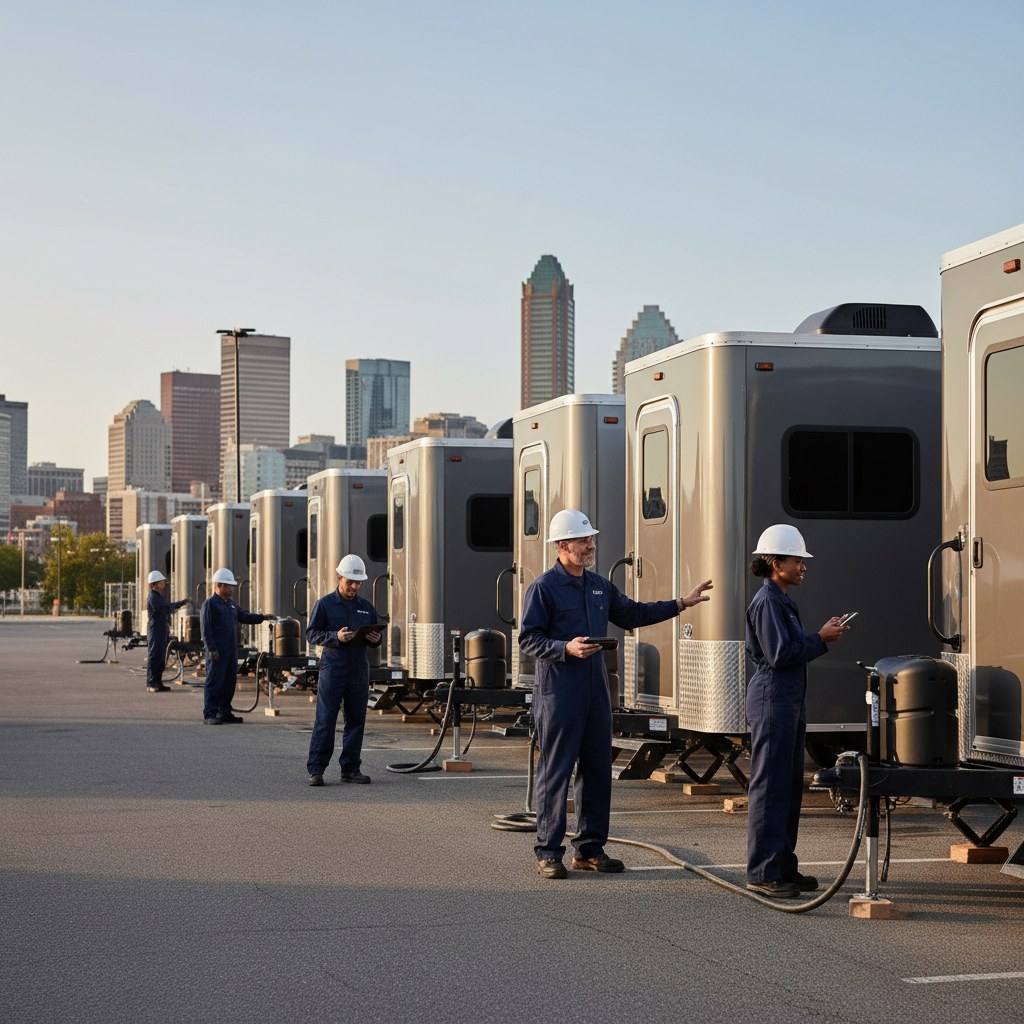
For upscale events like weddings at the Baltimore Convention Center area or corporate gatherings near Fort McHenry, consider luxury restroom trailers. These multi-stall units offer climate control, running water, real lighting, and finishes that feel more like indoor facilities. They require electrical hookups and more space than standard units, but they transform the guest experience at premium events.
We work with event planners throughout the region, providing everything from standard units for casual block parties to full luxury trailer setups for high-end weddings. Peak season runs April through October, so booking early ensures you get exactly what you need. Our transparent pricing includes delivery, placement, event-day servicing if needed, and pickup—no hidden fees for after-hours service or weekend delivery.
Why us
Why FlushPoint
- Local to Baltimore, MD
- 5 services offered
Types of Porta Potties: Matching Units to Your Needs
Not all porta potties are created equal, and Baltimore customers have diverse needs depending on their project or event type.
Standard units are the workhorses of the industry. These single-stall facilities handle construction sites, casual outdoor events, and basic sanitation needs efficiently. They're cost-effective for long-term rentals and perfect when function matters more than aesthetics. We keep these units spotlessly clean and fully stocked with toilet paper and hand sanitizer.
Deluxe units step up the experience with additional features like interior lighting, ventilation fans, hand sanitizer dispensers, and larger interiors. For events where guests expect a bit more comfort—backyard graduation parties, company picnics, or community gatherings—deluxe units strike a balance between budget and experience.
ADA-compliant units aren't just about meeting legal requirements; they're about ensuring everyone can participate comfortably in your event or access facilities on your job site. These spacious units accommodate wheelchairs and mobility devices with proper grab bars and accessible door hardware. Any event open to the public needs at least one ADA unit, and we recommend them for construction sites too.
Luxury restroom trailers bring indoor bathroom quality to outdoor settings. Multiple stalls, climate control, real sinks with running water, mirrors, and quality finishes make these ideal for weddings, VIP areas at concerts, and upscale corporate events. They require more logistical planning—electrical hookups, water supply considerations, and space for trailer placement—but they deliver an experience guests genuinely appreciate.
Handwashing stations deserve special mention. Available as standalone units or attached to standard porta potties, these foot-pump-operated stations provide soap and water where you need it. Construction sites increasingly require them, and they're essential for food-service events and situations where hand sanitizer alone isn't sufficient.
We'll talk through your specific situation to recommend the right combination. A three-day home construction project needs different equipment than a 300-person wedding or a summer-long commercial building project.
Short-Term vs. Long-Term Rentals: What Changes
Rental duration affects both logistics and requirements in Baltimore City. Understanding the difference helps you plan appropriately and budget accurately.
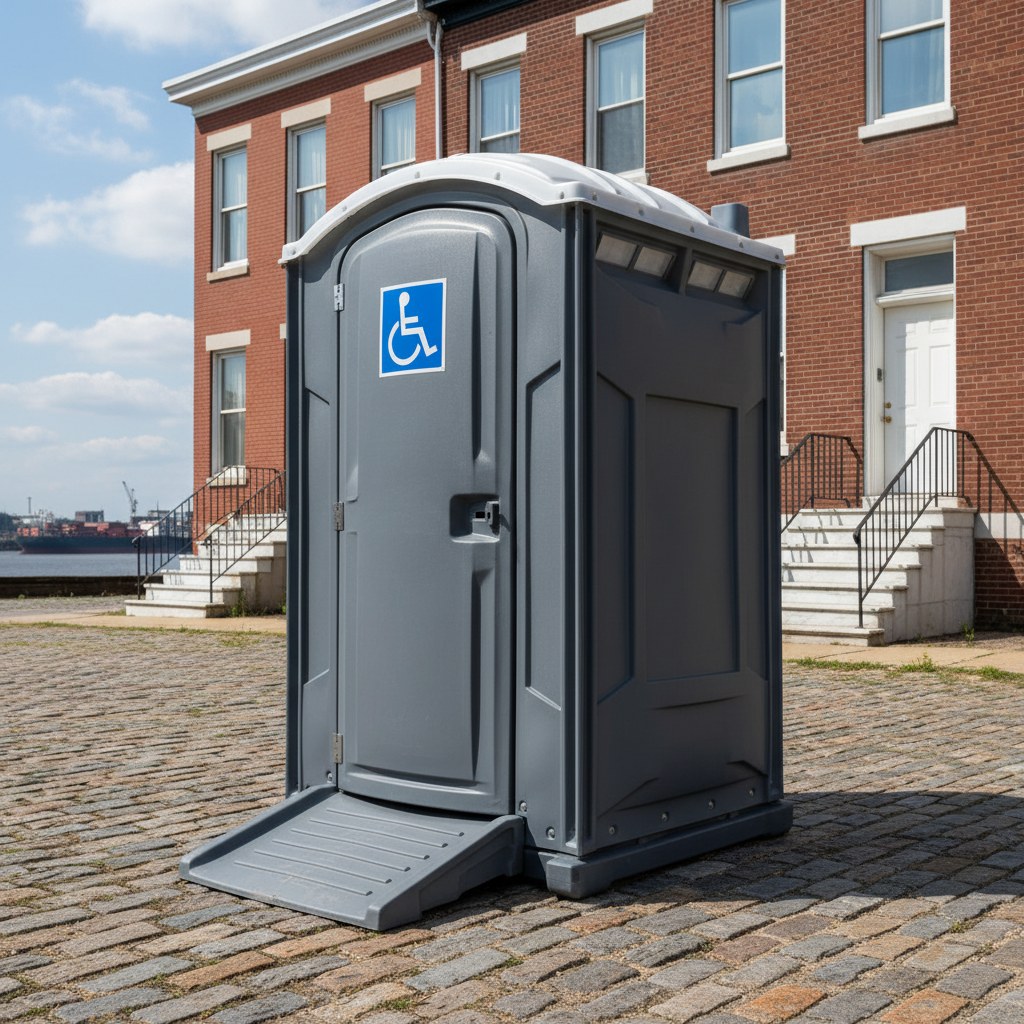
Short-term rentals typically cover single-day events, weekend parties, or projects lasting a few days to a couple weeks. These rentals include delivery, placement, and pickup on scheduled dates. The units arrive clean and stocked, ready to use. For events, we can schedule delivery the day before and pickup the day after, giving you flexibility without paying for extra days.
Weekend events are especially popular from April through October when Baltimore's weather makes outdoor gatherings appealing. We handle frequent Saturday deliveries for weddings, Sunday festival support, and Friday setups for weekend-long events. Our same-day delivery option helps when plans come together quickly—though peak season weekends may have limited availability.
Long-term rentals serve construction projects, extended home renovations, or seasonal facilities at recreational sites. These rentals include weekly servicing as standard practice, ensuring units stay clean and functional regardless of usage levels. During Baltimore's humid summer months, we often recommend increased service frequency to maintain comfort and hygiene.
Long-term pricing operates on a flat monthly rate that covers the rental period plus regular servicing. This predictable cost structure helps contractors budget accurately across multi-month projects. No hidden fees for extra service visits if usage is heavier than expected—we want units maintained properly, not nickel-and-diming customers.
The transition point is typically around two weeks. Projects or events shorter than that usually make sense as short-term rentals. Anything longer benefits from long-term rental pricing and the peace of mind that comes with scheduled maintenance you don't have to think about.
What's Included: Delivery, Service, and Supplies
Transparent pricing means knowing exactly what you're getting. When you rent from us, here's what's included in every rental:
Delivery and placement at your specified location during your scheduled time window. Our drivers know Baltimore's neighborhoods and can navigate the tight streets in areas like Fells Point where delivery access requires planning and precision. We'll call ahead to confirm timing and coordinate with you on exact placement.
Initial setup with units positioned exactly where you need them, leveled on stable ground, and door oriented for privacy and accessibility. For events, we consider guest flow and accessibility. For construction sites, we think about service truck access and site logistics.
Fully stocked units arrive with toilet paper, hand sanitizer, and ventilation. Standard units hold enough supplies for typical usage patterns. If your project or event involves unusually high traffic, let us know during booking so we can adjust stock levels accordingly.
Scheduled servicing for long-term rentals includes weekly visits where we pump waste tanks, replenish supplies, and clean all surfaces. Service routes cover all Baltimore City neighborhoods on established schedules, with flexibility for special requests or high-use situations.
Pickup and removal happen on your scheduled date or the next business day after your event concludes. We handle all waste disposal properly and legally, so you're never wondering about environmental compliance.
No hidden fees for standard delivery windows, regular service routes, or typical usage. We quote flat rates that include everything you need for normal operations. The only additional charges come from things like requested after-hours emergency service, placement locations requiring special equipment access, or damage to units beyond normal wear.
Our approach reflects Baltimore's straightforward culture. You've got enough to manage with your project or event—sanitation shouldn't add stress to your plate.
Clean Comfort, Right on Time
Service Area: Baltimore City and Surrounding Communities
We serve all of Baltimore City, from the waterfront neighborhoods around the Inner Harbor to the residential communities spreading north and west. Our service area includes the neighborhoods where Baltimore lives and works: Fells Point's cobblestone streets, Canton's mix of residential and commercial zones, Federal Hill's historic rowhomes, Mount Vernon's cultural district, and everywhere in between.
Delivery routes also extend to surrounding Baltimore County communities and nearby areas where our customers' projects and events take them. Whether you're working on Port construction projects along the waterfront, managing renovation work near Johns Hopkins Hospital, or hosting an event at a venue near M&T Bank Stadium or Oriole Park at Camden Yards, we've got you covered.
Our drivers know the territory. They understand which streets accommodate delivery trucks easily and which require careful timing to avoid parking restrictions. They know that game days near Camden Yards mean different logistics than typical weekdays, and that street festivals in neighborhoods like Canton require coordination with event organizers and sometimes police traffic control.
Same-day delivery is available throughout our service area when units are in stock and routes allow. Next-day delivery is standard for most orders, giving you the quick turnaround Baltimore's pace demands. During peak construction season from June through September, we recommend booking a few days ahead when possible, but we'll always work to accommodate urgent needs.
If you're outside Baltimore City proper, call us. We likely serve your area, and even if we're at the edge of our range, we'll be straight with you about timing and any delivery considerations.
Seasonal Considerations and Peak Demand Periods
Baltimore's seasons dramatically affect porta potty demand, and understanding these patterns helps you plan better.
Spring renovation season kicks off in March and runs through May as homeowners emerge from winter and tackle improvement projects. Rowhome renovations surge, creating demand for street-side porta potty placement in neighborhoods across the city. This is also when event planning for summer festivals begins, though actual equipment needs remain moderate.
Peak event season runs April through October, driven by Baltimore's weather. Street festivals, outdoor weddings, concerts, and community gatherings concentrate in these months when rain is less likely and temperatures cooperate. Weekend availability gets tight, especially for luxury trailers and ADA units, so early booking matters.
Summer construction surge from June through September represents our busiest period. Commercial projects, infrastructure work, and residential construction all peak when weather supports outdoor work. Long-term construction rentals dominate, and weekly service routes run at full capacity. This is also when high temperatures and humidity require more attention to servicing frequency—units need more frequent maintenance to stay fresh.
Fall wind-down sees construction projects pushing to complete before winter, while event demand drops after October. November through February is our slower season, with primarily long-term construction rentals and the occasional indoor-outdoor event at heated venues.
Understanding these patterns helps you plan. Need units for a June wedding near Fort McHenry? Book in March or April. Managing a construction project starting in July? Contact us in June to ensure equipment availability. Last-minute needs happen, and we'll always work to accommodate them, but advance planning gives you more options and guaranteed availability.
Getting Your Quote: The Straightforward Process
We don't play pricing games or bury fees in fine print. Here's how to get exactly what you need:
Call us directly at our local number. You'll talk with someone who knows Baltimore, understands porta potty logistics, and can answer your questions on the spot. We'll ask about your project or event type, how many people you're serving, rental duration, and placement location.
We'll recommend equipment based on your actual needs, not upselling you into units that don't make sense. Construction site for 15 workers? Here's what OSHA requires and what we suggest. Wedding for 150 guests? Here's the combination of standard, deluxe, and ADA units that keeps lines reasonable. We've done this thousands of times across every situation Baltimore throws at us.
You'll get transparent pricing with delivery, servicing, supplies, and pickup included. Our quotes are flat rates—the number we give you is what you pay for standard scenarios. If your situation involves unusual factors like difficult access requiring special equipment, we'll explain that upfront, not surprise you later.
We'll discuss permits if relevant to your situation. Street placement in your rowhome neighborhood? We'll explain the right-of-way permit process and provide documentation you need. Special event at a public park? We'll outline the Special Events Office requirements and ADA compliance factors.
Book when you're ready. We'll schedule delivery, put your rental in our system, and send confirmation with all the details. You'll get a reminder call before delivery to confirm timing and coordinate any last-minute placement details.
No pressure, no runaround, no hidden anything. Just straight talk about what you need, what it costs, and when you'll get it. That's how business should work, and it's how we operate every day across Baltimore City.
Clean comfort, right on time—that's not just our slogan, it's our commitment to every customer.
Frequently Asked Questions
Do I need a permit to put a porta potty on my property in Baltimore?
No, you generally do not need a permit for porta potty placement on private property in Baltimore City. As long as the unit stays within your property lines and doesn't create public access issues, the city doesn't require permits for temporary sanitation facilities on private land.
How do I get a permit for a porta potty on the street in Baltimore?
You need to apply for a right-of-way permit through the Baltimore City Department of Transportation (DOT). The application requires location details, rental duration, and proof of liability insurance. Processing typically takes 5-10 business days, and fees vary based on the space you're occupying and rental duration.
What porta potty requirements apply to construction sites in Baltimore?
Construction sites must meet OSHA requirements of one toilet per 20 workers, with weekly servicing minimum for projects lasting more than a few days. Your building permit typically covers on-site placement, but street-side placement due to space constraints requires a separate right-of-way permit from Baltimore City DOT.
Do I need ADA porta potties for my Baltimore event?
Yes, events open to the public must provide ADA-compliant accessible restrooms under federal law. Baltimore enforces these standards for permitted events. At least one ADA unit should be available for every cluster of porta potties, with accessible routes from parking and main event areas.
How far in advance should I rent porta potties in Baltimore?
For peak season events (April-October) and summer construction projects (June-September), book at least 2-4 weeks in advance to ensure availability, especially for weekends and specialty units like luxury trailers. Off-season and emergency needs can often be accommodated with same-day or next-day delivery when units are available.
What's included in Baltimore porta potty rental pricing?
Standard rental pricing includes delivery, placement at your location, fully stocked units (toilet paper and hand sanitizer), scheduled servicing for long-term rentals, and pickup on your end date. No hidden fees apply for standard delivery, regular service routes, or typical usage patterns.
How often are porta potties serviced for long-term rentals?
Long-term construction and extended rentals include weekly servicing as standard. During Baltimore's humid summer months or for high-usage situations, more frequent servicing can be arranged. Each service visit includes waste tank pumping, supply replenishment, and thorough cleaning.
Can porta potties be delivered same-day in Baltimore?
Same-day delivery is available throughout Baltimore City when units are in stock and delivery routes allow. Next-day delivery is standard for most orders. During peak season (June-September), advance booking is recommended, but urgent needs are accommodated whenever possible.